 Skip to content
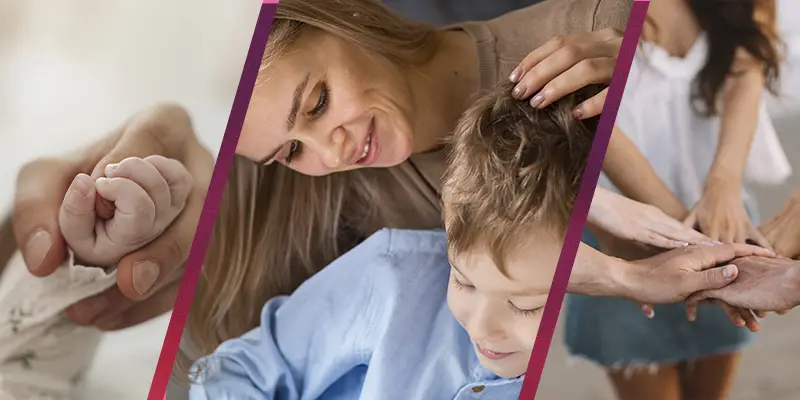
A growing body of scientific research is providing a better understanding of how emotional attachment functions in families formed through surrogacy. Studies in perinatal psychology, the neurobiology of attachment, and child development have begun to debunk many myths surrounding the connection between parents and children.
Modern science has shown that the bond with a baby is not solely dependent on biological pregnancy. Although gestation represents a significant emotional experience, human attachment is much more complex and is influenced by emotional, hormonal, psychological, and relational factors that continue to develop after birth.
This point is especially important because many people who turn to surrogacy come to the process after years of infertility, miscarriage, or difficult medical treatments. In that context, the fear of not feeling fully connected to the baby can generate significant anxiety even before birth.
At the same time, questions also exist about the emotional role of the surrogate and how the child develops their emotional identity in these types of families. The scientific evidence accumulated over the last few decades offers increasingly clear answers to these questions.
Understanding what medical and psychological research actually says helps prospective parents make decisions with greater peace of mind, moving away from social stigmas that often lack scientific backing.
Surrogacy has evolved enormously since its first documented experiences. Today, there are not only better medical and legal protocols, but also a much deeper understanding of perinatal mental health, early bonding, and child emotional development.
In parallel, new family configurations have led science to study different parenting models beyond traditional pregnancy. Thanks to this, we now know that secure attachment does not arise exclusively from gestation, but from the quality of the emotional relationship built with the child.
The bond with a baby begins long before birth and continues to strengthen throughout parenting. Surrogacy does not eliminate that possibility. What changes is the way that emotional process unfolds.
How the bond with the baby is formed according to modern science
For decades, it was believed that pregnancy was the primary and indispensable element for developing maternal or paternal attachment. However, contemporary research in neuroscience and developmental psychology reveals a much broader reality.
The bond with a baby is a dynamic process built through multiple emotional and biological experiences. It doesn’t appear automatically simply by sharing nine months of gestation, nor does it disappear simply by not having been physically pregnant.
Surrogacy has allowed researchers to study how attachment develops in families where the intended parents do not experience pregnancy directly. The results of numerous studies show that most surrogate parents develop levels of emotional connection similar to those observed in traditional families.
Attachment science explains that early bonding depends primarily on repeated emotional interaction between the baby and their primary caregivers. Eye contact, voice, smell, affective response, emotional regulation, and consistent attention are far more decisive factors than the gestational experience alone.
Even from a neurobiological perspective, the parental brain continues to change after birth. MRI studies have shown that both mothers and fathers experience brain changes related to caregiving and emotional sensitivity during the first months of parenting.
This means that the bond with the baby is also strengthened through daily cohabitation, physical care, and sustained emotional connection.
In cases of surrogacy, many intended parents begin to build this bond even before the birth. They actively participate in medical checkups, listen to the fetal heartbeat, prepare the baby’s environment, and develop deep emotional expectations throughout the process.
Perinatal psychology specialists explain that parental attachment can develop through emotional anticipation and mental representation of the unborn child. In other words, parents begin to imagine, integrate, and emotionally feel the baby long before they hold it in their arms.
Scientific evidence also shows that babies are highly sensitive to relational experiences after birth. The development of secure attachment depends especially on caregivers’ ability to respond consistently and affectionately to their needs.
In other words, the quality of care carries much more weight than the specific way in which the pregnancy occurred.
This finding has been especially important in dismantling stigmas related to surrogacy. For years, some people mistakenly assumed that the absence of gestation would prevent a genuine emotional connection between parents and children.
However, longitudinal studies show that children born through surrogacy have levels of emotional well-being and family relationships comparable to those of other forms of parenthood .
Another interesting aspect is the hormonal role in the formation of attachment. Although pregnancy produces significant endocrine changes, hormones related to parental care also increase during interaction with the baby after birth.
Oxytocin , known as the bonding hormone, is released during skin-to-skin contact, feeding, daily care, and affectionate interactions. This occurs in biological mothers, fathers , non-gestational mothers, and families formed through adoption or surrogacy.
That is why many specialists insist that reducing the bond with the baby solely to the experience of pregnancy represents too limited a view of human parenthood .
Early parenting activates extremely powerful biological and emotional mechanisms that continue to shape attachment for years.
It’s also important to understand that every parenting experience is unique. Even in traditional pregnancies, some mothers need time to develop a deep emotional connection after giving birth. Attachment doesn’t always happen instantly.
Something similar happens in surrogacy. Some parents feel an intense connection from the beginning of the process, while others develop it gradually during the first weeks or months of living together.
Science considers both experiences completely normal.
The emotional role of the surrogate and how it influences the child’s development
One of the most sensitive issues surrounding surrogacy is the emotional bond between the surrogate and the baby. Many people wonder if the woman carrying the pregnancy necessarily develops a maternal bond that could lead to difficulties later on.
Scientific research reveals a much more complex and nuanced reality.
In modern gestational surrogacy models, the surrogate understands from the outset that her role is to help another family have a child. Prior psychological preparation and professional support are fundamental components throughout the entire process.
Studies conducted with surrogates indicate that most clearly differentiate between pregnancy as a physical experience and their future parental role. This does not mean an absence of emotions, but rather a conscious understanding of the limits and objectives of the process.
Many surrogates describe the experience as emotionally significant, but not necessarily from a maternal perspective. In many cases, the primary motivation is related to helping others start a family.
Scientific evidence also shows no systematic negative effects on the emotional development of children born through surrogacy.
Several longitudinal studies have assessed the psychological well-being, self-esteem, and social adjustment of these children during different stages of development. The results indicate that family dynamics and the quality of parenting are far more relevant factors than the specific mode of birth.
The bond with the baby is strengthened primarily within the nurturing environment where the child grows up after birth. Child development specialists point out that emotional stability, parental sensitivity, and emotional security have a much greater impact on attachment than initial reproductive circumstances.
It is also important to mention that babies possess an enormous capacity for adaptation. From the first weeks of life, they begin to identify and respond to the figures who provide them with constant care, protection, and emotional regulation.
Surrogacy does not alter these basic mechanisms of human development.
Another important point is family transparency. Current research suggests that children tend to adapt positively to learning about their origins when the information is shared openly, naturally, and in an age-appropriate manner.
Prolonged family secrets, on the other hand, can generate more emotional difficulties than the fact of having been born through surrogacy.
For this reason, many specialists recommend building honest family narratives from an early age. Explaining to the child how they were wanted, expected, and loved often strengthens their sense of identity and belonging.
Modern surrogacy is increasingly associated with parenting models based on emotional transparency and psychological support.
Furthermore, the relationship between the surrogate and the intended parents can vary considerably depending on each experience. Some families maintain close contact for years, while others prefer more defined boundaries once the process is complete.
Scientific evidence does not identify a single correct model. What is important is that expectations and agreements are clear, respectful, and emotionally healthy for all parties involved.
In psychological terms, what truly protects a child is growing up in a stable, loving, and consistent environment.
Research on surrogacy consistently shows that child well-being depends much more on the quality of family relationships than on isolated biological factors.

What do studies say about attachment, mental health, and family well-being?
The last few decades have seen a significant accumulation of research on families formed through surrogacy. This has been key to understanding how emotional bonds evolve and what real impact this reproductive model has on child development.
One of the most consistent findings is that families using surrogacy often show high levels of emotional involvement in parenting.
Many parents come to this process after going through long medical journeys, infertility, or reproductive losses. This prior history often translates into a deeply intentional and committed approach to parenthood .
Psychological studies show that these parents tend to be actively involved in the care of the baby and exhibit high levels of parental sensitivity.
The bond with the baby not only exists, but in many cases is accompanied by a strong emotional appreciation of the parenting experience.
Comparative research also finds no significant differences in the emotional development of children born through surrogacy compared to other families.
Levels of self-esteem, social adjustment, school performance, and psychological well-being are usually kept within normal parameters.
In fact, some studies suggest that open family communication and prior emotional preparation can foster particularly strong family dynamics.
Another important aspect is the mental health of the parents.
Surrogacy can generate intense emotions throughout the process: anxiety, excitement, fear, uncertainty, and high expectations. For this reason, specialized psychological support is becoming increasingly important within international assisted reproduction programs.
Scientific evidence indicates that parents who receive adequate emotional support tend to adapt better to the transition to parenthood .
Research has also been conducted on how children experience knowledge of their reproductive origins.
Most studies agree that when information is shared naturally and early, children positively integrate their birth story.
The problem is not usually in surrogacy itself, but in the silence, the social stigma or the lack of family communication.
That’s why experts recommend avoiding narratives based on secrets or shame.
Children need to feel that their story is a legitimate and loving part of their identity.
In neuropsychological terms, secure attachment develops when the child perceives emotional availability, protection, and affective consistency.
Current science does not consider that the absence of pregnancy on the part of the intended mother prevents the development of these parental capacities.
Furthermore, the contemporary concept of family has evolved enormously. Today, there are multiple legitimate family models: adoptive families, same-sex parent families, single-parent families, and families formed through assisted reproduction.
Modern research is increasingly focusing on the quality of family relationships rather than focusing exclusively on biological factors.
Surrogacy has contributed precisely to expanding the scientific understanding of how human bonds are built.
Early emotional experiences, emotional regulation, and relational security have a much deeper impact on child development than genetics or gestation alone.
Another relevant element is the social context.
Families with support networks, adequate information, and less exposure to stigma tend to experience surrogacy more positively.
Therefore, access to specialized professionals and support communities can make a significant difference during the transition to parenthood .
Current scientific evidence is clear on one fundamental point: the bond with the baby does not depend exclusively on the biological pregnancy.
Human attachment is a complex, dynamic, and profoundly relational phenomenon.
How to strengthen the bond with your baby after birth
Although science shows that surrogacy does not prevent the development of secure attachment, many parents want to know how to consciously strengthen the emotional connection with the baby during the early stages of life.
Child development specialists agree that shared early experiences have a huge impact on building a bond.
Skin-to-skin contact during the first few hours after birth is one of the most highly recommended practices. This type of interaction promotes the baby’s physiological regulation and stimulates the release of oxytocin in both the child and the parents.
The voice also plays an important role.
Babies begin to recognize familiar sounds from early stages of fetal development. Many intended parents who go through surrogacy actively participate during the pregnancy by talking to the baby, singing, or interacting emotionally, even before birth.
After childbirth, the continuity of these experiences helps to consolidate recognition and emotional security.
Feeding, eye contact, and daily care routines also strengthen the bond with the baby.
Attachment is built primarily through small, repeated interactions that convey protection and emotional availability.
Responding to crying, holding the baby, regulating their stress, and providing emotional support are fundamental behaviors in any form of parenting .
Surrogacy does not change those basic emotional needs.
Many specialists also recommend that parents allow themselves to experience the emotional process without unrealistic expectations.
Some people feel an immediate connection; others need time to adjust to the new family reality.
Psychological evidence shows that both experiences are completely valid.
Social pressure regarding so-called “instant love” can generate unnecessary anxiety even in traditional families.
In reality, attachment usually consolidates gradually through cohabitation and daily care.
It is also important to take care of the emotional health of the parents.
Surrogacy can involve years of medical treatments, emotional strain, and high levels of accumulated stress. After the birth, some families experience psychological exhaustion or adjustment difficulties similar to those seen in any transition to parenthood .
Having access to psychological support and spaces for companionship can be very beneficial.
Another relevant aspect is the construction of the family narrative.
Experts recommend that children learn a positive, loving, and coherent version of their birth story from a young age.
When surrogacy is naturally integrated into the family identity, children tend to develop greater emotional security and self-esteem.
Modern science insists that human attachment does not depend exclusively on biological processes. The infant brain is designed to develop secure bonds with figures who offer consistent care, emotional protection, and sustained love.
Surrogacy demonstrates precisely that families can be built in multiple ways without limiting the depth of emotional bonds.
The bond with the baby continues to grow long after birth. Every shared experience, every daily interaction, and every moment of care strengthens that connection.
Current scientific evidence offers a reassuring message for families: what truly builds attachment is not only who carried the pregnancy, but who emotionally supports the child during their development.
Conclusion
Surrogacy has profoundly transformed our understanding of parenthood , attachment, and family bonds. For a long time, doubts existed about whether parents could develop a genuine emotional connection with a baby carried by another woman. However, the scientific evidence accumulated over the last few decades offers increasingly clear and reassuring answers.
Today we know that the bond with the baby does not depend exclusively on biological pregnancy. Human attachment is a much more complex process, influenced by emotional, psychological, neurobiological, and relational factors that continue to develop long after birth.
Studies in developmental psychology, neuroscience, and perinatal mental health consistently show that families formed through surrogacy can build strong, secure, and healthy emotional relationships.
The quality of parenting, emotional sensitivity, family stability, and the ability to respond to the child’s needs have a much greater impact than the gestational experience alone.
Science has also allowed us to better understand the emotional role of a surrogate and to debunk many myths related to attachment. Most surrogates clearly differentiate between pregnancy and future parenthood , especially when they have access to adequate psychological support and emotional preparation.
Furthermore, research shows no systematic negative effects on the psychological well-being of children born through surrogacy.
On the contrary, many of these families develop especially committed and conscious dynamics due to the deep desire to become parents.
Another key aspect is the importance of transparency and family communication. Experts agree that children tend to positively integrate their birth story when it is shared honestly, naturally, and sensitively.
Surrogacy is part of the contemporary evolution of families and advances in reproductive medicine. As society gains a better understanding of these processes, prejudices decrease and evidence based on real data increases.
The bond with the baby continues to be built, strengthened and transformed every day through care, emotional presence, protection and love.
Current scientific research leaves a very clear message: families are not defined solely by biology or pregnancy, but by the ability to create deep and secure emotional relationships throughout life.
